


The Strengthening Resilience to Violent Extremism (STRIVE) Global Program
Since 2015, Hedayah has served as the implementing partner of the European Union-funded Strengthening Resilience to Violent Extremism (STRIVE) Global program. The initiative supports civil society organizations (CSOs), local actors, and government entities in designing and implementing impactful, evidence-based interventions to prevent and counter extremism and violent extremism.
Through a combination of training, grants, and mentorship, STRIVE advances national efforts and action plans aimed at reducing radicalization and recruitment leading to terrorism. STRIVE Global contributes to building more resilient and cohesive communities by addressing the root causes of radicalization and prioritizing non-coercive, community-driven solutions that respect human rights and international law.
It delivers meaningful impact by providing tailored support at every level. The program equips CSOs with grants to carry out research and implement activities that are contextually relevant and aligned with each country’s national action plan for preventing and countering extremism and violent extremism. It also offers governments specialized training that addresses the unique challenges they face in combating extremism and violent extremism.
In total, between 2015 and mid-2025, 40 grants were awarded across the two phases. STRIVE also supports governments with specialized training that responds to the unique challenges they face in countering extremism and violent extremism.
During the first six years of the program (2015–2021), STRIVE supported 38 local organizations and 10 government CVE units through 39 projects, across the Western Balkans, Central Asia, MENA region, and South Caucasus. In its current phase (2022–2026), the program continues to implement initiatives in Albania, North Macedonia, Georgia, and Kyrgyzstan, with new activities launched in Tunisia, Iraq, and Nigeria. This phase places greater emphasis on fostering collaboration between governments and civil society, enabling them to jointly identify, design, and implement context-specific projects. It also includes direct technical support to governments in executing their respective national strategies and action plans to prevent and counter extremism and violent extremism. STRIVE will continue its work until 2026, ensuring ongoing support and adaptability to local needs. STRIVE ’s work is guided by Hedayah’s five thematic areas:
- National Strategies, Action Plans & Policy Advice
- Extremist Ideologies & Technology
- Rehabilitation & Reintegration
- Education & Capacity-Building
- Community Resilience
Approach
STRIVE Global adopts a collaborative, multi-level approach, working in close partnership with governments, civil society and local communities – including youth, religious leaders, and media professionals – to effectively address extremism and violent extremism.
It focuses on tailored interventions to ensure locally relevant, sustainable, and impactful outcomes. STRIVE assists in designing high-quality prevention initiatives, conducting empirical social research, and implementing journalism projects, while providing funding to local CSOs. It offers technical support, training, and guidance throughout the entire project cycle to maximize results and enhance the capability to address extremism and violent extremism.
Geographic Focus
STRIVE Global focuses on regions facing significant radicalization challenges. So far, it has implemented projects in the Western Balkans (Albania, Bosnia & Herzegovina, North Macedonia, Montenegro, and Serbia), Central Asia (Kyrgyzstan, Kazakhstan, Tajikistan, Uzbekistan, and Turkmenistan), the MENA region (Tunisia, Iraq, and Jordan), as well as Georgia, Nigeria, and Turkey.
STRIVE Funding and Support
The European Union has generously funded STRIVE Global through its Instrument Contributing to Stability and Peace (IcSP) and FPI (Foreign Policy Instrument, providing essential support to STRIVE’s efforts in combating violent extremism across the target regions.
Key Achievements
- Throughout the course of the initial six-year program (2015-2021), STRIVE has supported 38 local organisations and 10 government CVE units throughout the Western Balkans, Central Asia, MENA, and South Caucasus. Through 39 projects with more than 15,000 youth/students, 1,850 school staff (teachers, psychologists, and social workers), 2,000 family members, 52 religious leaders, and 26 police officers have been targeted, enabling them to implement research, training, and community-driven projects aimed at preventing and countering extremism and violent extremism.
- The P/CVE curriculum, developed in partnership with Search for Common Ground, has been provides training to government officials and civil society organizations on effective counter-extremism strategies. The curriculum is structured into ten learning modules and is accompanied by training materials, including a facilitator’s guide, slide presentations, handouts, and pre-recorded webinars (published on YouTube) to allow for multi-day trainings. The curriculum offers a comprehensive and contextually relevant training program focused on countering extremism and raising awareness and is available to all users online and has been the focus of tailored trainings in Kyrgyzstan, Turkmenistan, Albania and other countries. It is designed to be accessible and adaptable across diverse regional contexts and has been successfully tailored to the MENA region, North Africa, Georgia, and Central Asia.
- The Counter Extremism Hub, a global platform was developed, offering a wealth of research, toolkits, and best practices for practitioners, governments, and policymakers engaged in the fight against extremism.
- Through the STRIVE Global program, Hedayah supports Civil Society Organizations (CSOs) with grants to conduct research and implement locally driven activities, providing continuous mentorship throughout the process. To date, 40 grants have been awarded. Most recently, five research projects were funded across North Macedonia, Albania, Georgia, and Kyrgyzstan. These projects explored a range of topics, including institutional vulnerabilities and resilience, local drivers of extremism, the impact of school-based interventions, recruitment strategies of extremist groups, and the rehabilitation and reintegration of women and children returning from conflict zones.
To learn more about STRIVE projects, research, and related activities, see the country list below:
Albania
- Countering Extremism and Violent Extremism Curriculum: An Introductory guide to concepts, programming, and best practices for the staff of Coordination Center for Countering Violent Extremism. Project Overview and Outcomes: Building foundational knowledge on countering extremism and violent extremism is essential to sustaining institutional readiness and ensuring the effective implementation of national prevention frameworks.At the invitation of the Albanian government, Hedayah delivered a tailored four-day training course in 2024 to strengthen the capacity of Albania’s Coordination Center for Countering Violent Extremism (CVE Center) in leading the implementation of the country’s National Strategy for Countering Violent Extremism. The Centre needed support to rapidly rebuild foundational knowledge of countering extremist and violent extremist terminology, methods and approaches.Drawing on Hedayah’s technical expertise and research, the course covered key topics including drivers of radicalization, gender and age dynamics, strategic communications, community engagement, government–civil society collaboration, and monitoring and evaluation of interventions to counter extremism and violent extremism (CEVE).The training significantly improved participants’ understanding of core concepts and practices, with 100% reporting enhanced knowledge of countering extremism and violent extremism. It also strengthened their ability to identify radicalization drivers and apply practical tools, with around 90% expressing greater confidence in coordinating with relevant actors to support the implementation of Albania’s National Action Plan.This initiative reflects Hedayah’s continued commitment to strengthening Albania’s national and local CEVE architecture. Building on the training’s success, Hedayah remains engaged with the CVE Center through ongoing efforts, including the enhancement of municipal referral mechanisms, capacity-building for religious and community leaders, and support for locally led research on extremism and violent extremism in Albania.
- Supporting local safety and security actors/services performing their roles in the national P/CVE Referral system in Albania. Project Overview and Outcomes: Early detection and community-based intervention are critical to preventing extremism before it escalates.Launched in 2024, this project, operating under the framework of Albania’s “Local Safety Councils,” supports the revitalization of the country’s municipal referral system for preventing and countering extremism and violent extremism. Hedayah provided a grant and capacity-building support to the Albanian organizations ASSIST and the Institute for Activism and Social Change (IANS) to implement the project.The project aims to train over 200 frontline workers from five municipalities—Elbasan, Librazhd, Cërrik, Pogradec, and Korçë. Participants include municipality leaders and representatives from law enforcement, prosecution, legal aid, education, employment, social services, healthcare, business, religious institutions, civil society organizations, as well as the staff from the Coordination Center for Countering Violent Extremism (CVE Center) and parliamentarians.Through training, frontline workers are equipped to identify, assess, and refer cases of concern to Albania’s CVE Center through local coordination mechanisms.The initiative emphasizes interagency collaboration and local ownership, with the CVE Center actively engaged in ensuring the system’s effectiveness. As part of the project, a monitoring and evaluation component will assess its impact and inform improvements to Albania’s National Strategy for Countering Violent Extremism.
- Messaging Campaigns for Religious and Community leaders in Albania. Project Overview and Outcomes: Religious and community leaders in Albania play a vital role in shaping public dialogue and fostering trust within their communities. Yet many lack the tools to counter extremist propaganda effectively. In response, Hedayah launched this one-year initiative in 2024, in close partnership with Albania’s Countering Violent Extremism Coordination Center and the Interreligious Council of Albania (IRCA), to build the capacity of religious and community leaders in strategic messaging and digital engagement.Guided by local research and training needs assessments, the project delivered a structured series of workshops, mentorship sessions, and follow-up support. Participants developed skills in narrative creation, social media strategy, and dialogue facilitation using Hedayah’s messaging framework, a structured system for planning, producing, promoting, and evaluating strategic communications messaging and campaigns. This hands-on, learning-by-doing approach empowered religious and community leaders to produce and disseminate credible, trust-building messages tailored to their communities.The project aligns with Albania’s National Strategy for Countering Violent Extremism, reinforcing the role of religious leaders and institutions in fostering tolerance and resilience. It reflects Hedayah’s broader commitment to empowering credible local actors with the tools and strategies to lead meaningful, context-specific change.
- Empowering Local Community at Preventing any form of Violent Extremism through Multi-sectoral Prevention Measures in Kamza Municipality by the Institute for Democracy and Mediation
- Strengthening a culture of resilience and harmony in Albania by Counselling Line for Women and Girls Project
- Project Overview and Outcomes
- Baseline Study: Socio-economic Situation and Perceptions of Violent Extremism and Radicalization in the Municipalities of Pogradec, Bulqizë, Devoll, and Librazhd
- Training Manual for multi-agency cooperation in identifying and countering violent extremism
- Civic Engagement Training Manual: Youth And Women In Focus
- Website: www.violentextremism.al
- Values based Educational Activities to Build Resilience to Violent Extremism among Youth in Albania by Albanian Helsinki Committee
- Media and Government in Albania vs. Violent Extremism and Terrorism by the Albanian Media Institute
- Media Coverage of Violent Extremism and Terrorism: An Assessment of the Needs of Journalists, Journalism Students, and Spokespersons of Public Institutions of Albania – available on The Counter Extremism Hub in English and Albanian
Related Research Papers:
Religion and Doctrine: Ideological Roots and Causes of Radicalization in Albania by Albanian Institute for International Studies – available on The Counter Extremism Hub
Examining Gendered Components of Radicalization and Violent Extremism in Albania by Woman Center for Development and Culture
Exploring the Development of a Strategic Communication on P/CVE in Albania by the Center for the Study of Democracy and Governance
Bosnia and Herzegovina
- Strengthening civil society from Bosnia and Herzegovina to recognize and monitor online threats on the social media by Jabiheu
- Website: http://prepoznaj.kingdom.ba/
- From data and information to responsible reporting on violent extremism and terrorism.
- Regional Terrorism and Foreign Fighters database
- Baseline study of trials:
-
- Bosnian https://bit.ly/3qu3dch
- English https://bit.ly/2Zqu6C6
- Macedonian https://bit.ly/3u1xwJD
- Albanian https://bit.ly/3pulyV4
-
- Handbook Based on the Practice and Experience of Balkan Investigative Reporting Network Journalists, available in Bosnian and English
- Webinar for professional journalists and students of journalism: https://bit.ly/3nsQm9n
- Explanatory videos for investigative journalism guidelines:
-
- Analytical reporting https://youtu.be/FActjPlxZ-c
- Reporting about kids https://youtu.be/IY4YrnU109g
- Reporting on victims of terrorism https://youtu.be/4VkI5xJLl48
- Classification of the act https://youtu.be/M5tkzXWbqy4
- Usage of videos and photos https://youtu.be/L8jBxzIjais
-
- Baseline study of trials:
- Regional Terrorism and Foreign Fighters database
Research Paper:
Travelers to Syria: A Criminological and Security Analysis with Special Focus on Returnees from Syrian Battlefronts by the Faculty of Criminalistics, Criminology and Security Studies (Bosnia and Herzegovina)
Georgia
- Early Warning and Resilience Mechanism for Youth by the Academy for Peace and Development (APD)
- Civic Education, Peace Education and Peace-building by the Centre for Training and Consultancy (CTC)
- Project Overview and Outcomes
- Curriculum for Towards a Culture of Peace:
- Module 1: The Role of Civic Education in Conflict Societies
- Module 2: Human Rights, Minority Rights and Non-Violence Action
- Module 3: Diversity: Social, Cultural and Gender Diversity
- Module 4: The Role of Civic Education in Conflict Societies
- Module 5: Citizenship and The Role of Youth in Peacebuilding
- Module 6: Models and Instruments for Teaching Common Values
- P/CVE in Georgia: Capacity Building for CSOs and Civil Servants by the Georgian Center for Strategy and Development (GCSD)
- Prevention and Responding to Radicalizing Narratives by the Media Development Foundation (MDF).
- Translation of the UNESCO Manual into the Georgian language: Terrorism and the Media. A Handbook for Journalists
- Prevention of and Responding to Radicalizing Narratives by the Media Development Foundation.
- Report: Reporting Crises: Needs Assessment Survey
- Webinar for students of journalism: Russia and the Western Far Rights: Tango Noir by Anton Shekhovtsov, Professor of Vienna University:
Related Research Papers:
Survey on needs, information and communication sources of Muslim Youth in Georgia by Media Development Foundation (MDF)
Study of Vulnerability towards Violent Extremism in Youth of Georgia by the Institute for Social Studies and Analysis (ISSA) – available on The Counter Extremism Hub
Jordan
- Improving Social and Emotional Skills through Arts in Jordan by The National Centre for Culture and Art/King Hussein Foundation
- Project Overview and Outcomes
- Theater performance “Bus Stop”
- Preventing Violent Extremism in Jordan through Interactive Theater Performances.
- Improving Jordan’s Media Capacity to Counter Violent Extremism and terrorism: Media Literacy and Performance & Content Quality Perspective by Jordan Media Institute
Kyrgyzstan
- Monitoring & Evaluation of Kyrgyzstan’s National Action Plan to Counter Extremism and Terrorism. Project Overview and Outcomes: Effective monitoring and evaluation (M&E) is essential to ensuring the successful implementation of national strategies to counter extremism and violent extremism. In response to this need, Hedayah delivered a tailored, three-day M&E training in 2024 for government officials from Kyrgyzstan’s state institutions and municipal authorities, all affiliated with the implementation of the country’s National Action Plan for Preventing Extremism and Terrorism (2023–2027). Delivered in partnership with the Organization for Security and Cooperation in Europe (OSCE), the training drew on Hedayah’s technical expertise and research to equip participants with practical tools and methodologies. Modules covered key concepts such as indicator design, theory of change, adaptable M&E systems, and the strategic application of M&E in the context of national counter-extremism efforts. The training significantly improved participants’ understanding of M&E fundamentals, with post-training assessments indicating strong knowledge gains and increased confidence in applying M&E practices. This initiative strengthened the institutional capacity of Kyrgyzstan’s Anti-Terrorist Centre of the State Committee for National Security. Building on this success, Hedayah continues to engage with national stakeholders through follow-on activities, including locally led research and mapping of rehabilitation and reintegration services for individuals returning from conflict zones.
- Follow Your Dream by Youth of Osh
- Supporting Youth Resilience to Online Propaganda of Violent Extremism in Kyrgyzstan by the Public Foundation Civil Initiative on Internet Policy (CIIP)
- Project Overview and Outcomes
- Media literacy modules
- Four video narratives produced:
- Countering Radicalization among Women in Jalal-Abad and Chui Oblasts by Progressive Public Association of Women – Mutakallim
- Project Overview and Outcomes
- Guide: Identifying Signs of Vulnerability Leading to Deviant Behavior, including Radicalization in Local Communities in Kyrgyzstan
- A Guide to Responding to the Challenges of Religious Radicalization in Local Communities in Kyrgyzstan
- Survey Findings Report: Sociological Survey “Determining the Level of Knowledge About Radicalization and Violent Extremism among Women and Youth“
- Training Module: Materials of the Training on Increasing the Leadership Potential of Muslim Women of Chui and Jalal-abad Oblasts of KR
- Training Module: Countering Radicalization among Women in Jalal-abad and Chui Oblasts
Related Research Papers:
Montenegro
Related Research Papers:
Impact of media on CVE in Montenegro by NOMEN – available on The Counter Extremism Hub
Nigeria
- Workshop to review the Nigerian Policy Framework and National Action Plan for Preventing and Countering Violent Extremism. Project Overview and Outcomes: As part of Nigeria’s commitment to a whole-of-society and whole-of-government approach to preventing and countering extremism and violent extremism, the country has prioritized the development and refinement of its national strategies. In partnership with Hedayah, and with support from the European Union (EU), Nigeria’s Office of the National Security Adviser (ONSA) led a comprehensive review of the country’s Policy Framework and National Action Plan for Preventing and Countering Violent Extremism in April 2025. The initiative focused on enhancing institutional capacity and fostering an inclusive, adaptive, and coherent national response to extremism and violent extremism. A four-day national stakeholders’ workshop, co-convened by Hedayah and ONSA in Abuja, brought together over 170 representatives from government institutions, civil society, religious organizations, academia, and international partners. The workshop provided a collaborative platform to evaluate progress, identify strategic gaps, and co-develop a revised and forward-looking national framework. The workshop, which engaged participants from over 35 states and 75 local government areas (LGAs), highlighted the critical role of local leadership, collective ownership, and strategic communication in reinforcing Nigeria’s prevention efforts. 95% of participants reported improved knowledge of countering extremism in Nigeria and greater confidence to coordinate with other actors in the P/CEVE sector. This initiative builds on Hedayah’s long-standing partnership with ONSA, which began in 2017 with technical assistance to develop the original national action plan, and reflects Hedayah’s continued commitment to supporting inclusive, government-led solutions tailored to national contexts.
- Supporting Families in Countering Extremism and Violent Extremism. Project Overview and Outcomes: Families are often the first line of defense against radicalization, and strengthening their role through community-level rehabilitation and reintegration efforts remains a key priority in Nigeria’s prevention strategy. To fulfil this vital role effectively, families need targeted support and resources. In response, Hedayah partnered with the Neem Institute to deliver two trainings for local actors assisting families with rehabilitation and reintegration efforts. These Introductory and Advanced trainings equipped social workers and community-based practitioners in Borno and Maiduguri with practical tools to engage families and manage reintegration cases within their communities. Training modules covered critical topics such as community acceptance, clinical interviewing, Psychological First Aid (PFA), counselling techniques, and project planning. Sessions were co-facilitated by experts from the Neem Institute and alumni of Hedayah’s 2023 Training of Trainers program. The project enhanced the capacity of a growing network of Nigerian practitioners committed to supporting individuals and families affected by extremism and violent extremism. Since completing the training in May 2024, participants have reported strengthened ability to manage reintegration cases at local level and have applied their skills to train and support over 250 community stakeholders, including CSO staff, religious leaders, and family members across Borno and Yobe States. This initiative supports the implementation of Nigeria’s Policy Framework and National Action Plan for Preventing and Countering Violent Extremism.
North Macedonia
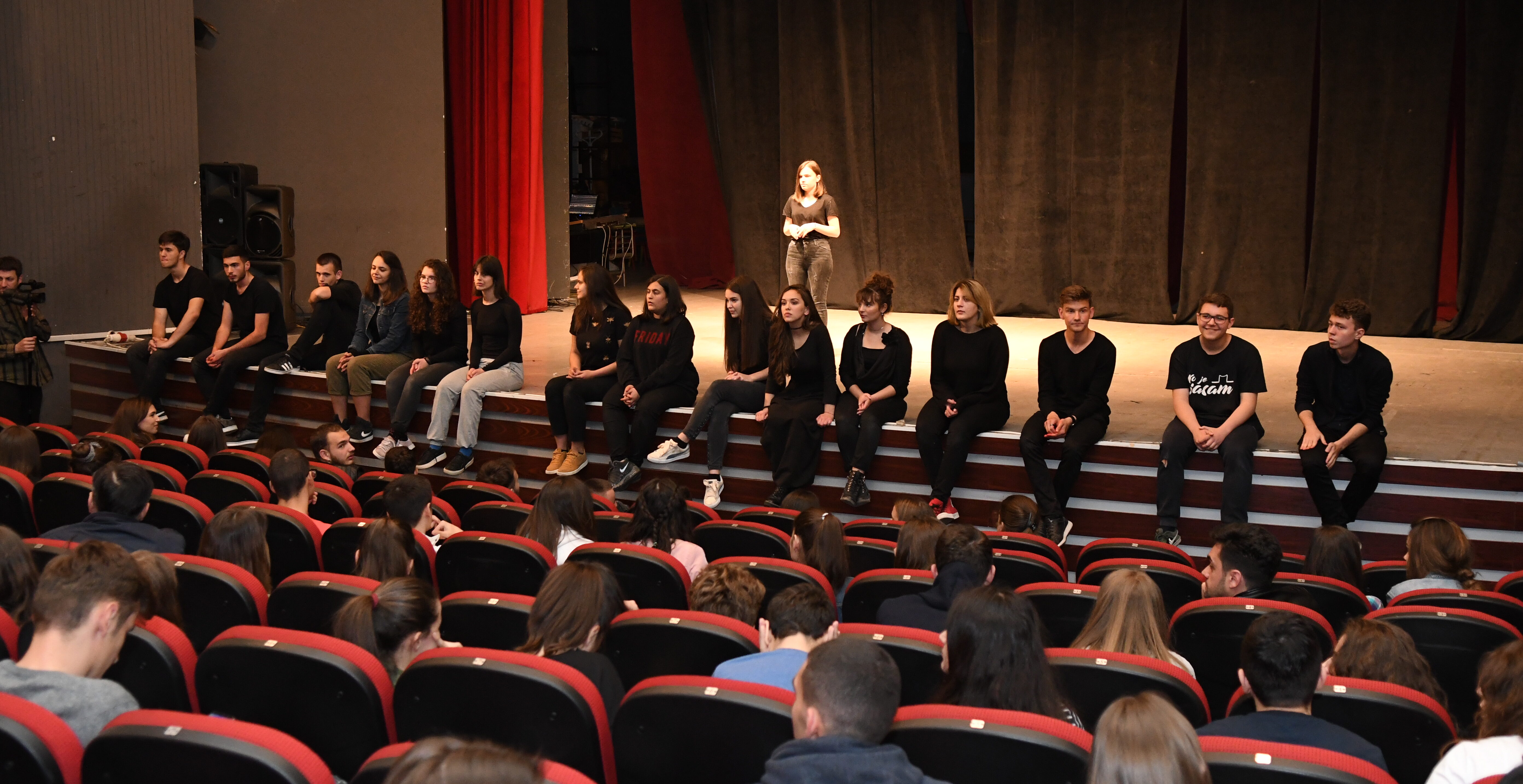
- Guardian Shield: Operationalization of the referral mechanism strengthening resilience against radicalization and extremism in North Macedonia. Project Overview and Outcomes: Timely, community-driven intervention is key to preventing extremism before it takes root. Launched in April 2024, the Guardian Shield project is a collaborative initiative between the National Committee for Countering Violent Extremism and Counterterrorism (NCCVECT) and Hedayah, which provided a grant and capacity-building support to the Center for Research and Policy Making (CRPM). The project aims to strengthen North Macedonia’s framework for preventing radicalization, extremism, and violent extremism by operationalizing a local referral mechanism to identify and support individuals at risk, including returnees from conflict zones. The initiative is piloted in the municipalities of Gostivar, Lipkovo, and Shtip. It brings together local authorities, civil society, and frontline institutions to implement, and test the multi-sectoral referral model. Key activities include the development of guidelines, standard operating procedures (SOPs), and coordination protocols for the referral mechanism. The project aims to produce essential documents for the NCCVECT to use for a nationwide rollout. This initiative aligns with Hedayah’s commitment to supporting inclusive, innovative, and locally driven solutions that reinforce national systems for preventing and countering extremism and violent extremism. By fostering collaboration across sectors and levels of government, the Guardian Shield lays the foundation for a sustainable, community-anchored approach to early intervention and prevention.
- Game for Change -Serious Game- Educational Tool for Strengthening Community Resilience by the Centre for Social Innovations (Blink 42-21)
- Educate to Prevent – Strengthening Front-line school Workers and Parents to Build Youth Resilience to Violent Extremism by the Center for Research and Policy Making
- Project Overview and Outcomes
- Baseline Study: Perceptions of Front-line School Workers and Community Officials from Skopje, Kumanovo, Tetovo ad Gostivar on Radicalization Leading to Violent Extremism
- Research Report: Educate to Prevent
- Handbook for Teachers in Secondary Schools and Tools for Early Detection and Action – Recognize, Prevent, Act in English and Macedonian
- Referral Model to Prevent from Radicalization
- Passage4Prevent: Use of education to prevent youth online radicalization by Centre for Research and Policy Making (CRPM)
- Guidebook: Operationalization of the Passage4Prevent Referral Mechanism in North Macedonia: From structure to agency
- Passage4Prevent Referral Model to Prevent from Radicalization
- Building Resilience against Violent Extremism and Terrorism through Reinforced Journalists, Media and Government Officials.
Related Research Papers:
Enhancing the Understanding of FTF: Challenges for Rehabilitation, Resocialization and Reintegration of Returnees in the Republic of North Macedonia by the NEXUS Civil Concept and Institute for Human Rights
Serbia
- Promoting Tolerance All Together in Sandzak by Helsinki Committee
- Project Overview and Outcomes
- UNESCO’s Teacher’s Guide on the Prevention of Violent Extremism, available in Bosnian, Croatian and Serbian
- Watch the theater play:
- Youth for Change: Building the resilience of Serbian youth through engagement, leadership and development of their cognitive and social-emotional skills by Psychosocial Innovation Network (PIN)
- Project Overview and Outcomes
- Research report: Results of a baseline study
- Psycho-educational workshop’s program ‘Building Youth Resilience to Violent Extremism’ program: Handbook for facilitators
- Online training program on youth leadership
- Effectiveness of the Building Youth Resilience to Radicalization and Violent Extremism: Endline study
- Youth for Change: Building the resilience of Serbian youth; Conclusions and Lessons Learned report
- Research article: Contextual and Psychological Predictors of Militant Extremist Mindset in Youth, available in Frontiers
- Psychoeducational Workshop Program and Handbook for facilitators
- Youth Leadership program curriculum
- Enhancement of Media Reporting on Violent Extremism and Terrorism.
- Hate Speech and Stereotyping in Traditional and New Media
- Handbook for journalists: Media Coverage of Violent Extremism and Terrorism
- Deconstructing Fake News and Raising Media Literacy in Serbia
Tajikistan
- Strengthening youth resilience to VE through a positive youth development curriculum (PYD) by Eurasia Foundation for Central Asia (EFCA).
- Cross-Sectoral Collaboration to Prevent Online and Offline Radicalization: Pilot project in Rasht Valley by Marifatnoki.
- Strengthening the resilience of media and government spokespersons to communicate on violent extremism and terrorism in Tajikistan by Public Fund Civil Internet Policy Initiative (CIPI).
Tunisia
- Pathways to employment and resilience: a step forward towards economic inclusion for youth in Tunisia.
Project Overview and Outcomes: Extremist groups continue to exploit socio-economic vulnerabilities, particularly among youth, as a means of recruitment. In 2024, Hedayah launched the Pathways to Employment and Resilience project, in close cooperation with the Tunisian National Counterterrorism Commission (CNLCT) and local institutions involved with youth and employment, to strengthen economic inclusion and foster long-term resilience among young people in Cité El Khadra, Tunisia. Hedayah granted the implementation of this initiative to two local organizations — Ifrikya Center for Common Ground (ICCG)and Moughayroun— to ensure community ownership and a tailored approach to local needs. The project targets youth aged 18 to 35 who are not in employment, education, or training (NEET), and who lack access to higher education. It provides training tailored to individual backgrounds and aspirations and includes digital and technical skills, soft skills for general employability, and vocational tracks such as Aesthetics, Makeup, baking, and other trades identified through a local needs assessment. Following the capacity-building phase, some youth will be mentored and connected with national and local employers for internship or employment opportunities, while others will receive in-kind support including tools and materials to launch their own small businesses. By addressing the socio-economic conditions that fuel vulnerability to radicalization, this initiative facilitates access to the job market, creates sustainable livelihood pathways, and enhances community resilience.
This initiative reflects Hedayah’s commitment to locally led, prevention-oriented approaches that tackle root causes of vulnerability and promote inclusive, community-based resilience to extremism and violent extremism.
- Creation of a meeting, learning and leisure space – Space 21 – promoting the integration of young people into the job market and promoting social cohesion. Project Overview and Outcomes: Youth empowerment and social inclusion are critical to building resilient communities and preventing extremism and violent extremism. Hedayah launched the Espace 21 project in 2024 to create a dedicated space for learning, connection, and opportunity in Tunisia’s Ariana governorate. Implemented by Association Campagne, the project establishes a dedicated space in a vulnerable and low-income neighborhood where young people can access vocational training, entrepreneurship support, and community-based leisure activities. Espace 21 supported over 300 young people by providing tailored pathways to strengthen their employability and entrepreneurial skills through training either in active job search techniques, technical and vocational education, micro-business development, or participation in social and digital clubs – such as IT, music and theatre clubs — designed to foster cohesion and learning. Designed in consultation with Tunisia’s National Counterterrorism Commission (CNLCT) and supported by local institutions and civil society organizations involved with youth and employment (such as the Microcredit Association of Mnihla), the initiative addresses the socio-economic drivers that extremist groups seek to exploit, while promoting sustainable economic inclusion and social cohesion.
- Tunisia National Strategy Communications Campaign. Project Overview and Outcomes: In Tunisia, a unified national voice is central to countering extremism and violent extremism; ensuring consistent and relatable messaging across platforms remains a key area of focus. To support this goal, Hedayah partnered with Tunisia’s Counter-Terrorism Commission (CNLCT) to implement a nationwide communications campaign aligned with the Tunisian National Strategy to Combat Violent Extremism and Terrorism (2023–2027). The campaign was shaped through expert consultations led by Hedayah, bringing together key stakeholders—including the CNLCT, EU Delegation to Tunisia, media professionals, youth leaders, and civil society representatives—to collaboratively refine its strategic messaging and outreach goals. The result was “We Are All Responsible”, an evidence-based, multi-platform campaign. It spanned television, radio, print, social media, and YouTube—reaching more than 2.7 million individuals. With strong institutional backing and cross-ministerial engagement, the campaign reflected a coordinated national effort. It also acknowledged the vital role of local governments and community actors in building societal resilience, in line with Tunisia’s whole-of-society approach to preventing and countering extremism and violent extremism. This initiative reflects Hedayah’s commitment to equipping national stakeholders with the tools and strategies to lead impactful, context-driven communications efforts that promote harmony and resilience.
The following presents the STRIVE Global program’s key resources, platforms, and research:
Additional Research Papers
- Coverage of Muslim related topics in Georgian, Russian, Azerbaijani and Turkish traditional and new media by Media Development Foundation (MDF)
- Attitudes of Muslim Youth towards Media Coverage and Offensive Language by Media Development Foundation (MDF)
- Contextual and Psychological Predictors of Militant Extremist Mindset in Youth by Frontiers in Psychology
- Why We Went to Fight and Why We Returned: Radicalisation and Deradicalisation – Learning from Foreign Terrorist Fighters by thhttps://hedaya.edirectstaging.uk/resources/contextual-and-psychological-predictors-of-militant-extremise Research Centre of Religious Studies
The Radical Right Counter-Narratives Project
This a year-long project implemented with the Centre for Analysis of the Radical Right. The overall project creates one of the first comprehensive online toolkits for practitioners and civil society engaged in radical right extremist counter-narrative campaigns.
It also maps the narratives in nine countries and regions, including Australia, Canada, Germany, Hungary, New Zealand, Norway, United Kingdom, and the United States.
- Building a Successful Radical Right Counter-Narrative: A How-To Guide
- From Street-based Activism to Terrorism and Political Violence: UK Radical Right Narratives and Counter-Narratives at a Time of Transition
- From Direct Action to Terrorism: Canadian Radical Right Narratives and Counter-Narratives at a Time of Volatility
- Tackling Hate in the Homeland: US Radical Right Narratives and Counter-Narratives at a Time of Renewed Threat
- Australian Radical Right Narratives and Counter-Narratives in an Age of Terrorism
- From Gangs to Groupuscules and Solo-Actor Terrorism: New Zealand Radical Right Narratives and Counter-Narratives in the Context of the Christchurch Attack
- Bringing Back the Golden Age: Hungarian Radical Right Narratives and Counter-narratives in Light of Historical Revisionism
- Radical Right Narratives and Norwegian Counter-Narratives in the Decade of Utøya and Bærum Solo-Actor Attacks
- A Movement between Parliamentary Politics and the Pathway to Violence and Terrorism: Germany’s Radical Right Narratives and Counter-Narratives
Related content
Understanding the Impact and Value of PCVE Activities Implemented in School Settings in North Macedonia
The Phenomenon of Foreign Terrorist Fighters in North Macedonia
CVE Training Curriculum – The Georgian Edition
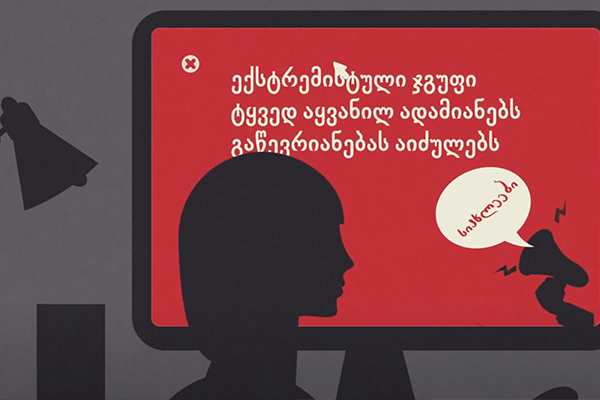
CVE Training Curriculum – The Central Asian Edition