
Supporting Youth and Children affected by Violent Extremism in Tunisia
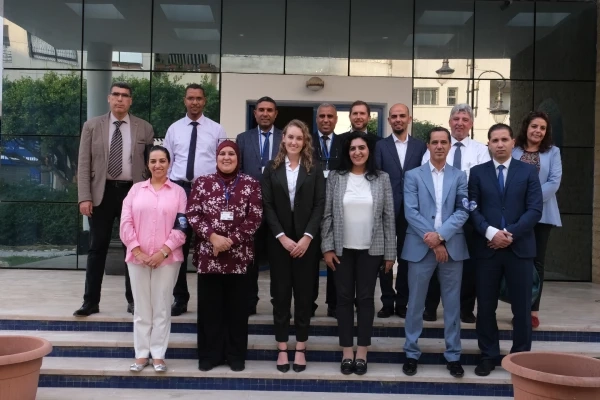
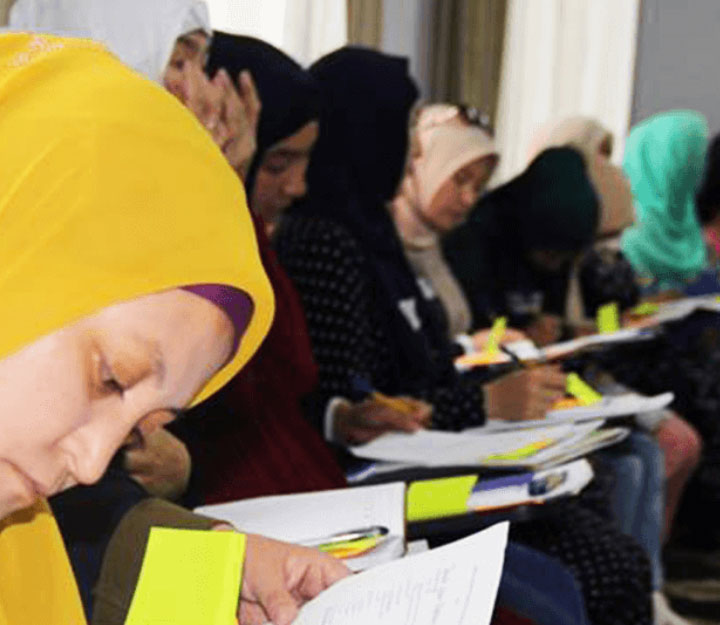
Hedayah is a world leader in supporting rehabilitation and reintegration efforts. We have already trained around 100 educators, screening practitioners working in detention centers and community-based rehabilitation centers, psychologists and social workers.
Hedayah has already trained around 100 practitioners, including educators, screening practitioners working in detention centers and community-based rehabilitation centers, psychologists and social workers. We are supporting practitioners working on both prevention, rehabilitation and reintegration efforts. This includes:
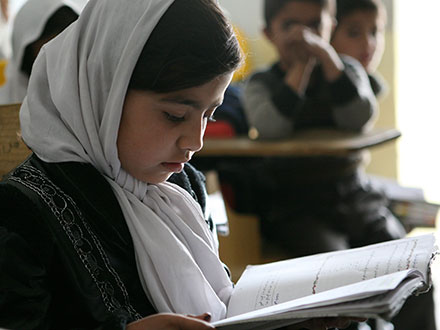
Media and Information literacy
We ensure young people can critically assess information to increase resilience against terrorist propaganda.
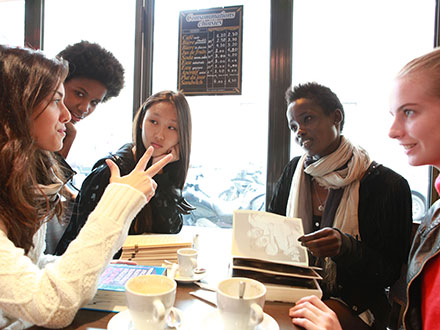
Safe spaces for dialogue
We are addressing the need for a more tolerant dialogue between young people and government authorities. This provides an opportunity to address grievances more constructively, which increases resilience against extremist and violent extremist recruiters.
Social and emotional learning
We focus on developing a sense of belonging and identity in a context where extremist and violent extremist recruiters exploit the lack of a sense of identity for their propaganda.
Interviewing skills and needs assessment
We provide practitioners with recommendations and techniques to engage young people and children and how to identify and meet their critical needs.
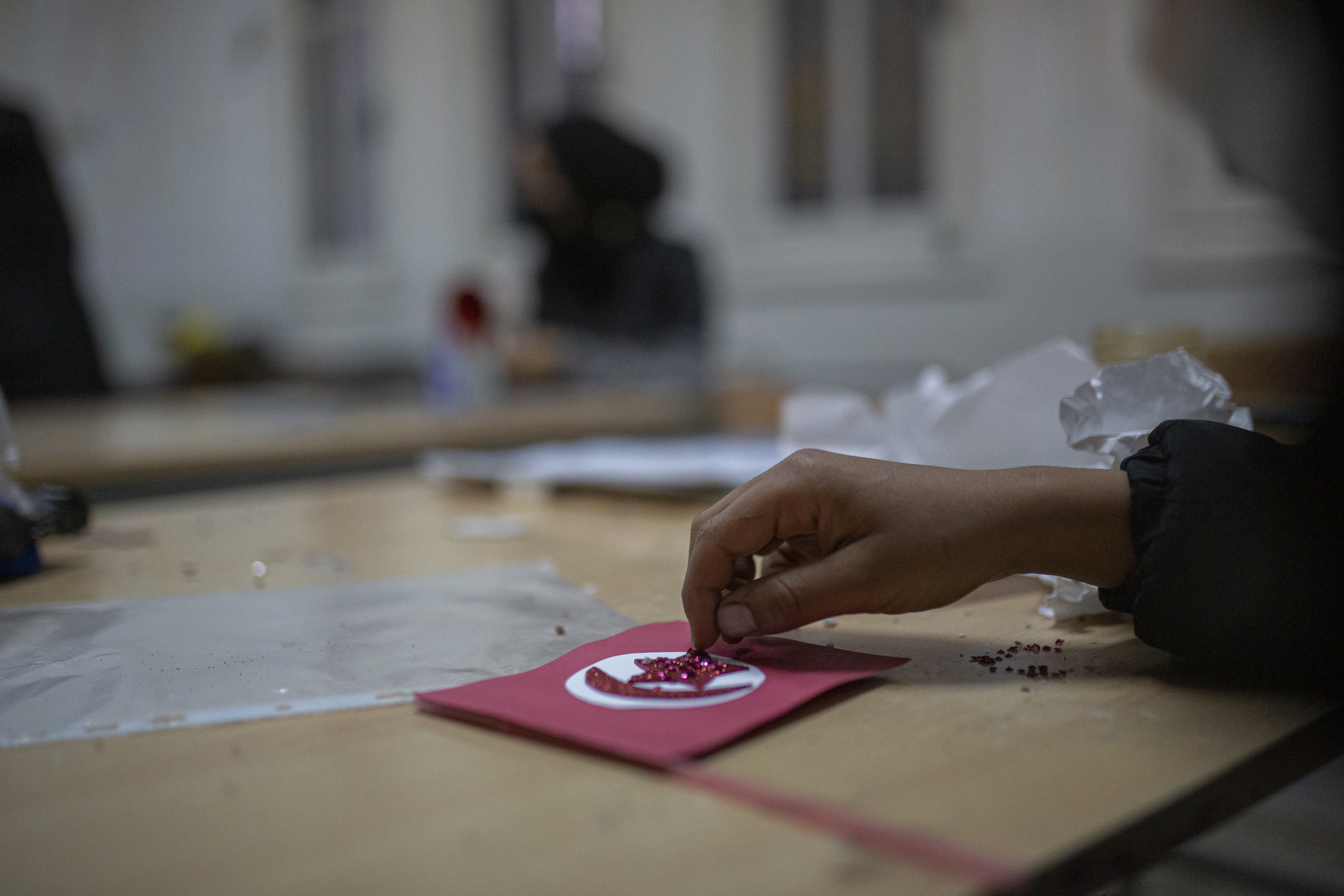
Aziz's Story
A photo essay from the rehabilitation and reintegration centers we work with in Tunisia.
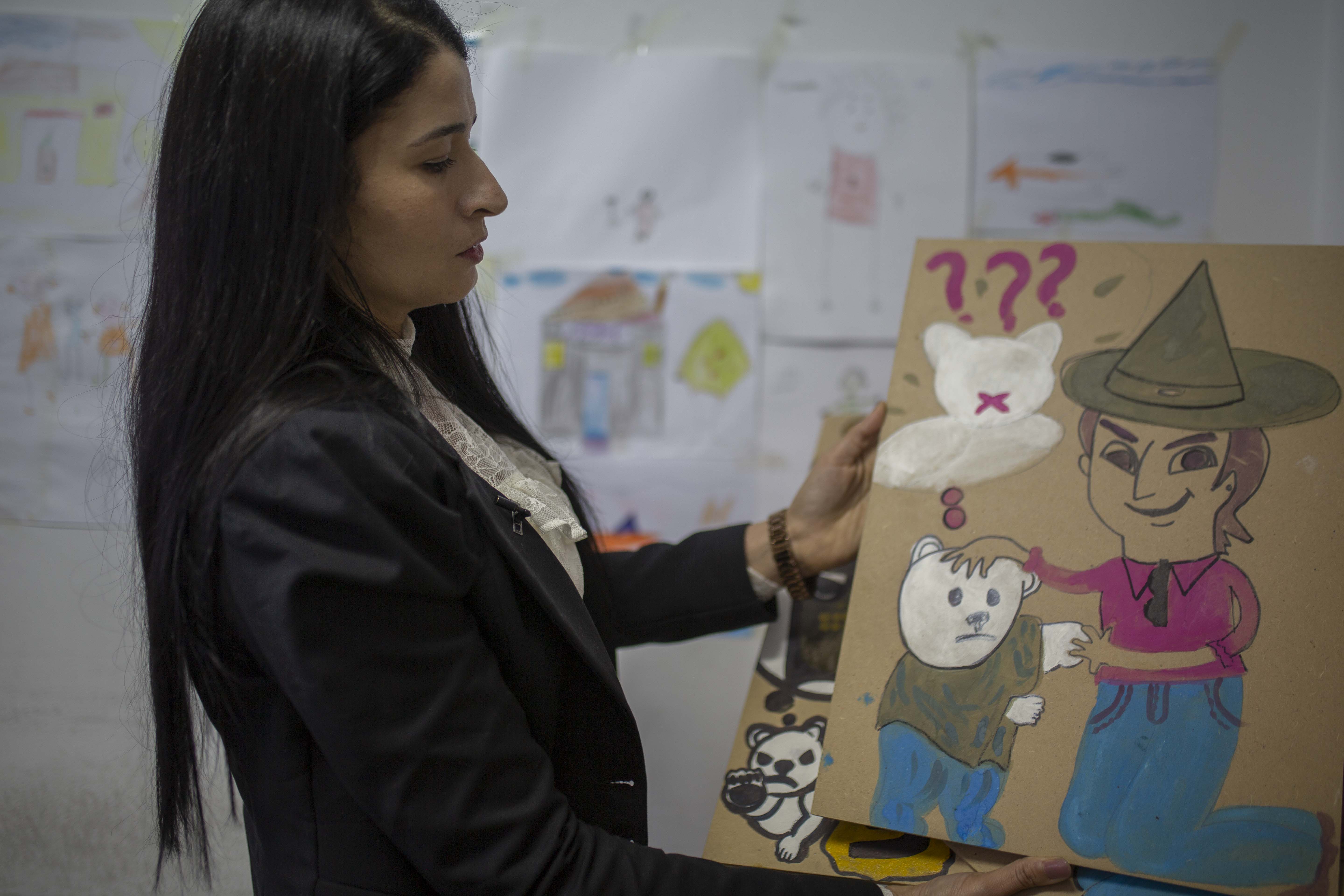
Meet the people changing lives
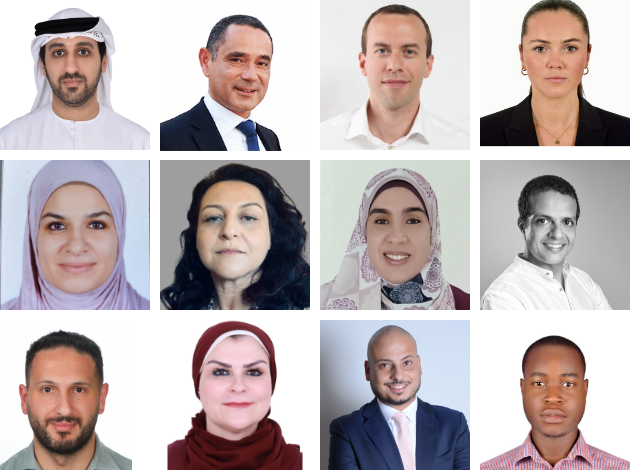
Testimonials and portraits from social workers, psychologists and child protection specialists that we are supporting.
The Strengthening Resilience to Violent Extremism
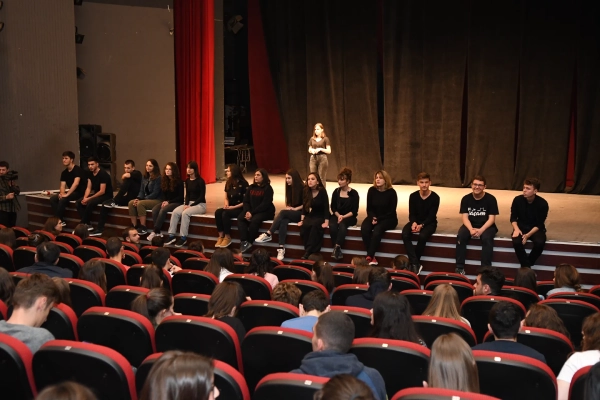
Building Youth Resilience and Preventing Radicalization Online in Tunisia #Skills4Resilience
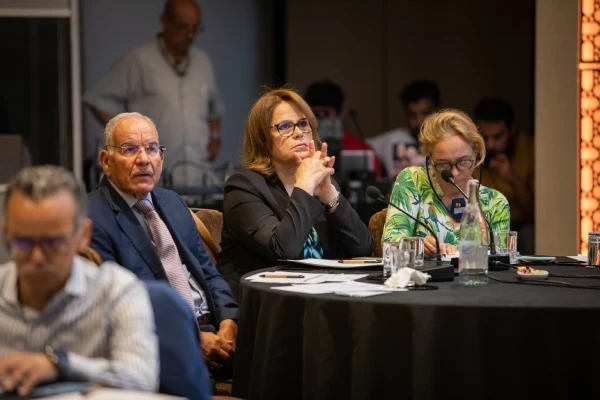
The Counter-Terrorism Fly Team Rehabilitation and Reintegration Toolkit Program
Rehabilitation and Reintegration of Women and Children Exposed to or Vulnerable to Extremism and Violent Extremism in Morocco