
An Integrated Communications Approach in Tunisia
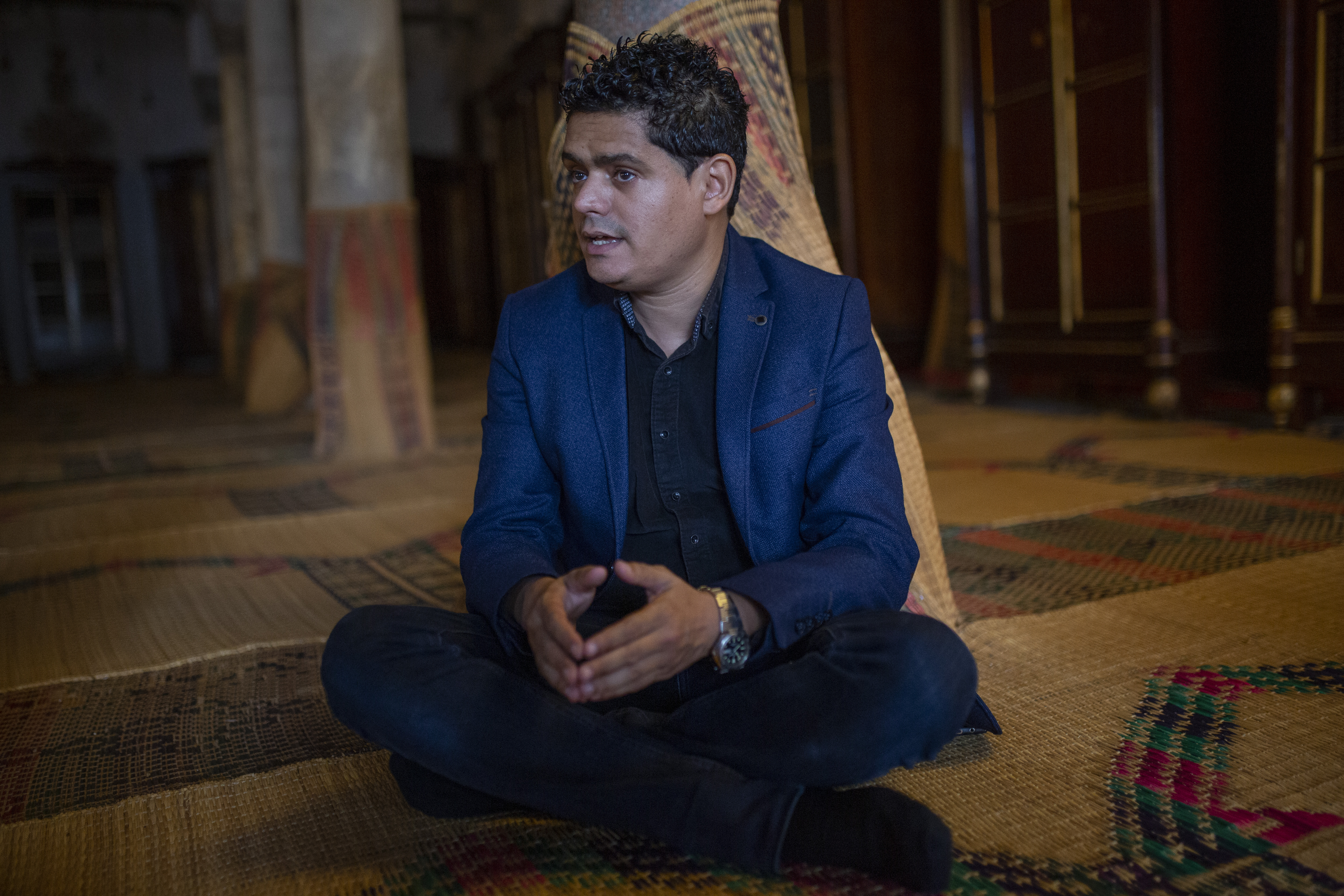
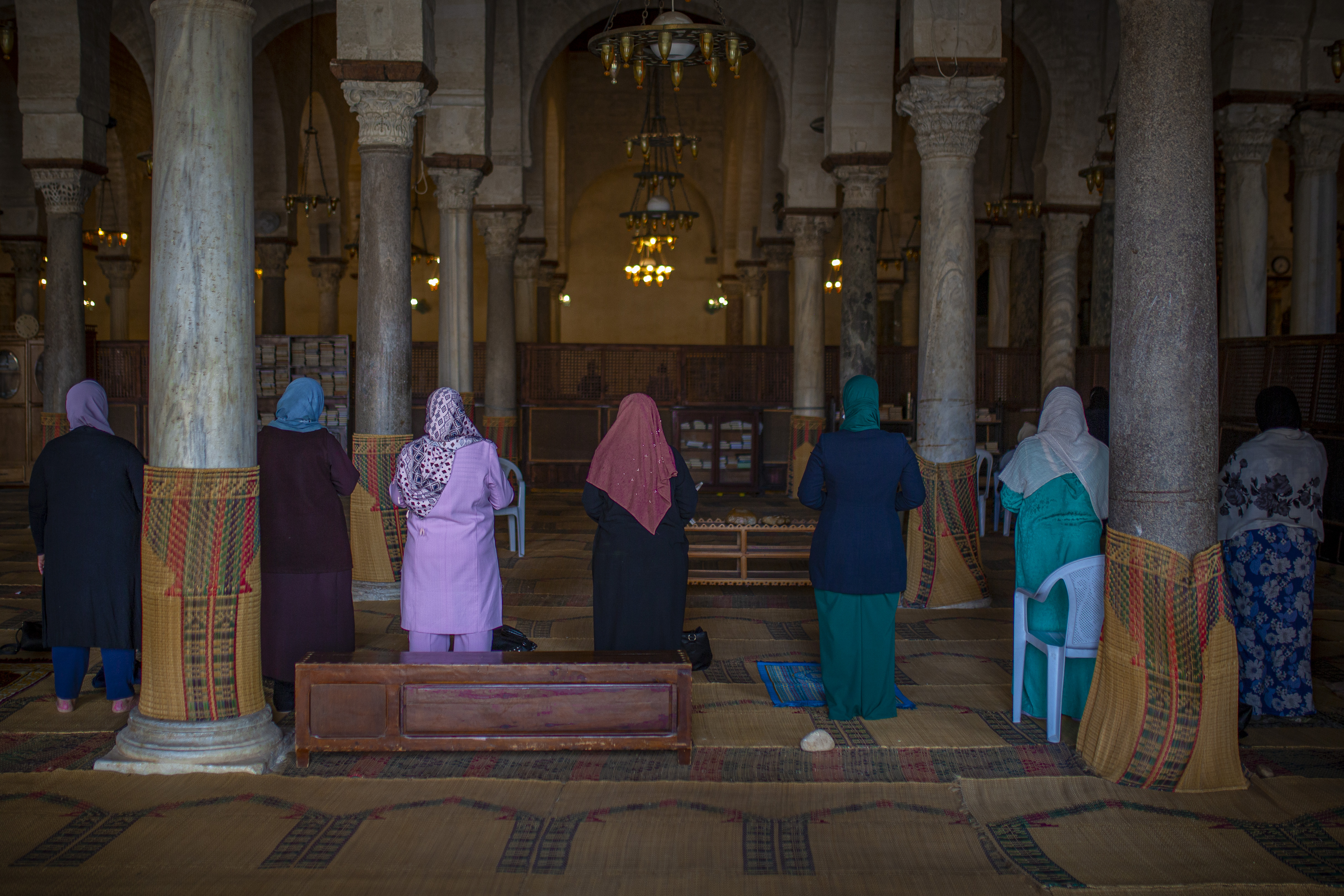
Meet the Imam using art to challenge extremism and violent extremism
Find out how religious leaders are playing a powerful role in combating extremism and violent extremism in Tunisia.
Extremists and violent extremists leverage the latest communication trends and technology available for radicalization and recruitment. At Hedayah, we support governments in developing tailored counter-narratives through effective strategic communications.
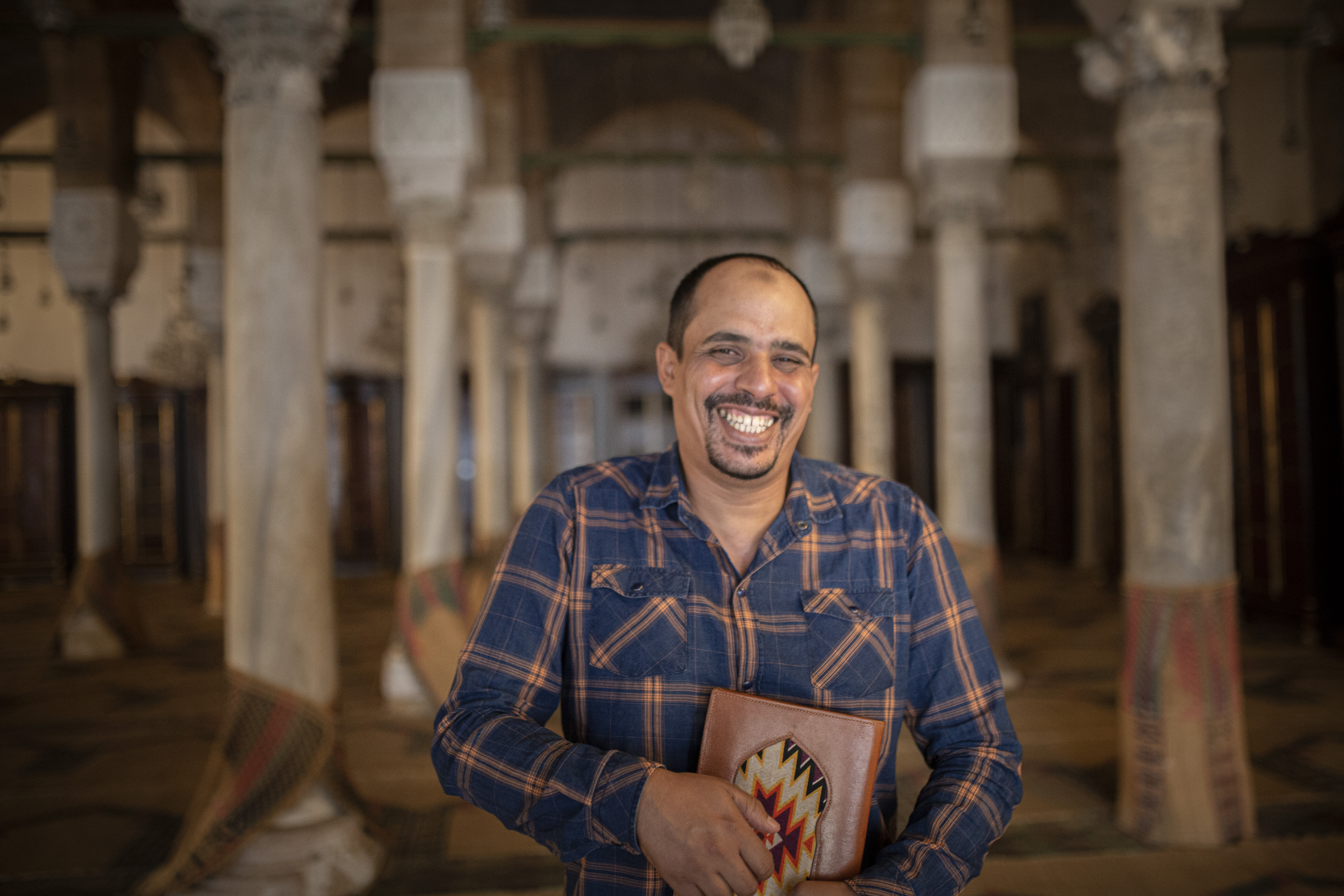
“The training by Hedayah was a great experience because many religious leaders came together and to stand as one to deliver the same message that we are all against violent extremism.”
Ahmed Zahani Imam, Zitouna Mosque, TunisThis program comprises three main components:
Support with government communications strategies:
Supporting the Government of Tunisia in improving its awareness of strategic communication approaches and tools to prevent and counter extremism and violent extremism (P/CEVE) through a new communication strategy to complement the Government’s Strategy to Prevent and Counter Violent Extremism and Terrorism 2021-2027.
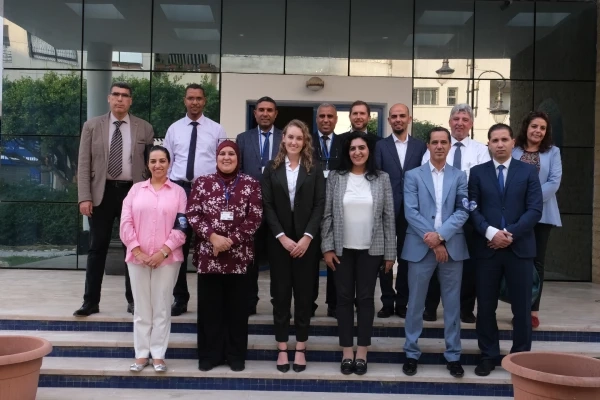
The initiative focused on four core objectives: first, raising awareness by improving Government stakeholders’ understanding of strategic communications approaches and tools specifically tailored for preventing and countering extremism and violent extremism; second, enhancing the Government’s skills and capacity to communicate the National Counter Violent Extremism and Terrorism Strategy both externally to the public and internally across Government entities and ministries; third, supporting the development, implementation, and monitoring of national programs on preventing and countering extremism and violent extremism through strategic communications; and finally, fostering institutional coordination and crisis readiness through standardized communication procedures.
Counter-messaging from religious leaders:
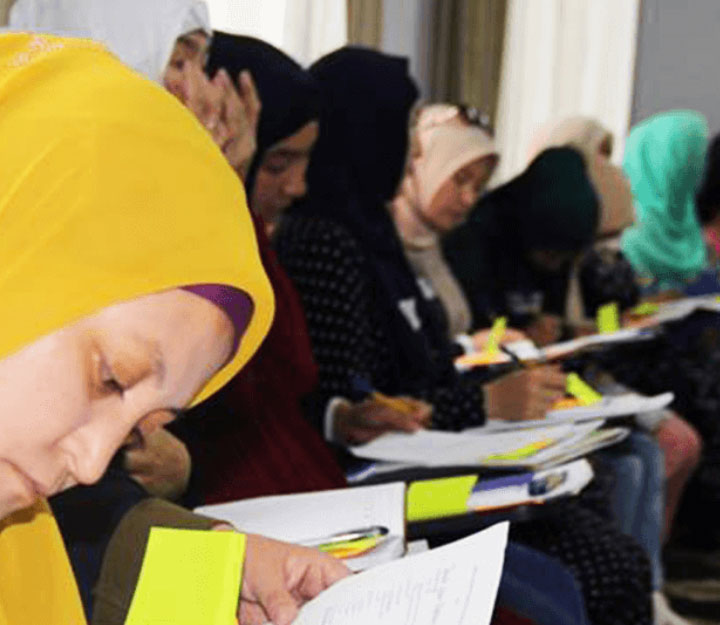
Equipping credible religious and community leaders with counter-messaging strategies to refute extremist and violent extremists’ narratives and develop contextualized and effective campaigns. The initiative empowered 40 religious and community leaders, 25% of whom were women, with strategic communications, counter-messaging, and dialogue techniques to strengthen their ability to engage communities in preventing and countering extremist and violent extremist narratives. It supported the creation and launch of four unique social media campaigns aimed at countering extremist and violent extremist narratives, promoting alternative narratives, and strengthening community resilience across Tunisia.
4 video campaigns were produced, reaching over 2 million people: Animated Video Campaign 1: Awda (The Return); Video Campaign 2: Talib Moch Matloub (Be a Student, not a Wanted); Video Campaign 3: Aqnieni (Convince me); and Video Campaign 4: Bissalam Aminin (“In peace, safe and (secure)” promoting peaceful co-existence among religions in Djerba). The campaigns were also featured at more than 120 cultural events nationwide, with live engagement from the trusted religious and community leaders alongside at-risk youth.
Innovation tech-hub for young people called ‘Tech2Protect:
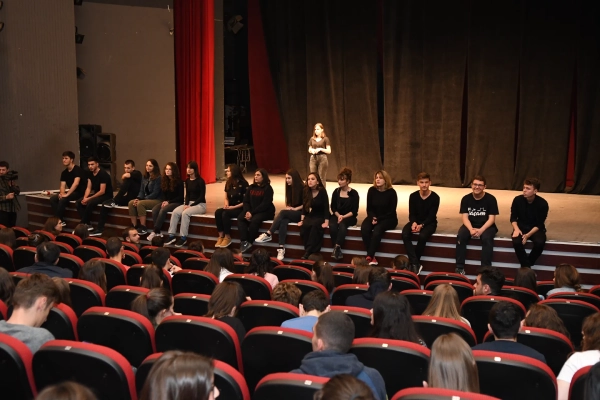
Finding innovative solutions to the terrorist use of the Internet. Hedayah connected and provided expert guidance to tech companies, young people, and students to develop their own solutions to counter online propaganda and keep their peers safe in the digital space through a dedicated tech innovation hub in Tunisia. The initiative included a series of training workshops and a Government-led Symposium focused on the terrorist use of the internet, in addition to supporting the development and implementation of four digital products. By engaging young people most susceptible to online radicalization, this initiative fostered a proactive, informed, and resilient generation capable of addressing emerging threats online.
As part of Hedayah’s Tech2Protect program, 28 male and female students received training and were encouraged to develop their own products. From these, two student-designed innovations were selected for further development: CoPeace, a crowdsourcing platform that brings together various communities to raise awareness and reduce harmful content that breaches community standards; and WeShield, an app designed to enhance students’ psychological resilience, protecting them from manipulation and radicalization.
Religious leaders making a difference
How a culture of religious tolerance and peaceful coexistence is reducing extremism and violent extremism in Tunisia.
The Strengthening Resilience to Violent Extremism
Building Youth Resilience and Preventing Radicalization Online in Tunisia #Skills4Resilience
The Counter-Terrorism Fly Team Rehabilitation and Reintegration Toolkit Program
Rehabilitation and Reintegration of Women and Children Exposed to or Vulnerable to Extremism and Violent Extremism in Morocco